
Living in
Da Nang
Da Nang is the expat city that Vietnam has not fully discovered yet. Cheaper than HCMC, warmer than Hanoi, and with beaches 10 minutes from your front door. Here is everything you need to set your life up properly.
Cost of Living in Da Nang
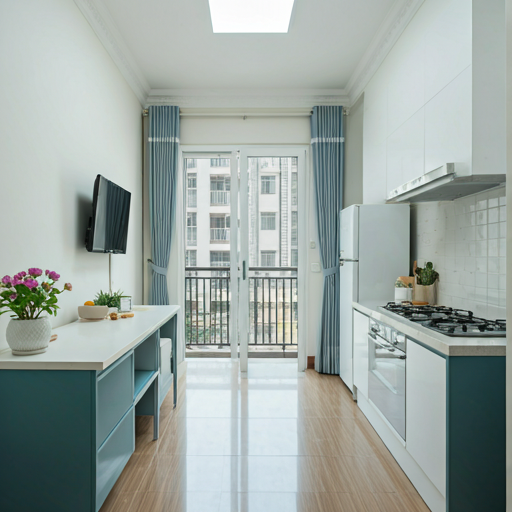
Why Da Nang Is the Cheapest Livable City in Vietnam Right Now
Da Nang sits in a genuine sweet spot that HCMC lost years ago and Hanoi is losing fast. It has the infrastructure, hospitals, international food, decent apartments, reliable WiFi, but it does not yet have the expat premium baked into every price. A landlord in Da Nang still negotiates. A cafe in the An Thuong area still charges local rates. The beach is free. That combination is rare in any Southeast Asian city of this quality.
The honest comparison: Da Nang runs 20-30% cheaper than HCMC at a comparable quality of life. You get a nicer apartment for less money, your food costs less, and your transport costs less because the city is smaller and easier to navigate. The tradeoff is a smaller income market, fewer English centers, fewer corporate clients, fewer freelance opportunities. If you already earn remotely, Da Nang is an absolute no-brainer financially.
Rent, What You Actually Pay in 2026
| Property Type | Area | Monthly Cost |
|---|---|---|
| Basic studio, local building | Hai Chau, Thanh Khe | $200-320 |
| 1-bedroom, mid-range | Son Tra, Hai Chau | $300-500 |
| 1-bedroom, Western standard | An Thuong / My Khe beachfront | $450-700 |
| 2-bedroom apartment | Ngu Hanh Son, Son Tra | $500-900 |
| Villa or premium apartment | Beachfront, Son Tra Peninsula | $900-1,800 |
The An Thuong area has become the expat hub, a strip of Western-friendly cafes, bars, and restaurants one block back from My Khe Beach. Apartments here command a slight premium because of location but you are still paying less than a comparable place in HCMC's District 3. If you want to be closer to locals and do not need the Western infrastructure, the Hai Chau and Thanh Khe districts offer the best value, comfortable Vietnamese-standard apartments at $250-400/month.
Food Costs
| Item | Where | Cost |
|---|---|---|
| Mì Quảng (local bowl) | Street stall or local shop | 30,000-50,000 VND ($1.25-2) |
| Bánh mì | Street cart | 15,000-25,000 VND ($0.60-1) |
| Seafood meal (local) | Con Market area restaurants | 80,000-150,000 VND ($3-6) |
| Western cafe meal | An Thuong strip | 120,000-220,000 VND ($5-9) |
| Local ca phe | Anywhere | 15,000-25,000 VND |
| Beer at local bar | Anywhere | 20,000-35,000 VND |
| Weekly groceries (local) | Con Market or Big C | 350,000-600,000 VND |
Full Monthly Budget Templates
| Category | Budget ($900) | Comfortable ($1,400) | Western ($2,200) |
|---|---|---|---|
| Rent | $280 | $480 | $800 |
| Food | $150 | $280 | $500 |
| Transport | $50 | $80 | $120 |
| Utilities + WiFi | $50 | $80 | $130 |
| Entertainment | $100 | $200 | $400 |
| Healthcare + misc | $80 | $130 | $150 |
| Buffer / savings | $190 | $150 | $100 |
Da Nang is genuinely the best value in Vietnam for a remote worker right now. I have talked to dozens of foreigners who did a month here as a "test" and ended up staying two years. The combination of fast WiFi, cheap and beautiful apartments within walking distance of the beach, a manageable city that you can actually navigate on a motorbike without having a panic attack, and food that costs almost nothing, it stacks up in a way that other cities cannot match. If you are earning $2,500+ in USD remotely, Da Nang will make you feel rich in the best possible way.
Neighborhoods & Where to Live

Understanding Da Nang's Layout
Da Nang is a coastal city split by the Han River. The west side of the river, Hai Chau and Thanh Khe districts, is the older, more local urban core with markets, local restaurants, and lower rents. The east side, Son Tra district and the My Khe beachfront, is where tourism and expat infrastructure concentrates. The Ngu Hanh Son district (Marble Mountains area) is further south, quieter, and increasingly popular with longer-term expats who want space and sea without paying beachfront prices.
The main expat strip in Da Nang. One block from My Khe Beach with Western cafes, bars, gyms, and international restaurants. Most English-speaking landlords are here. Best for first arrivals. Gets busy on weekends with Vietnamese domestic tourists too.
Son Tra covers the peninsula and the area around the Dragon Bridge. Mix of local streets and beachfront. Good transport connections, genuine Vietnamese neighborhood feel away from the tourist zone. My pick for the sweet spot in Da Nang.
The commercial and administrative heart of Da Nang. Dense, local, affordable. Con Market is here, best fresh market in the city. Older apartments at very good prices. Less expat infrastructure but you feel like you live in Vietnam rather than visiting it.
The district around the Marble Mountains, 15-20 mins south of city center. Growing slowly, genuinely quiet, good for families or people who want space. Non Nuoc Beach is nearby and far less crowded than My Khe. The smart long-term choice for budget expats.
Typhoon season (October-December) is a big factor. Always ask about flooding history for ground floor apartments, parts of the Han River west bank flood seriously in bad years. Check that windows seal properly, Da Nang gets genuinely cold and wet November through January. Best housing sources: Facebook groups "Da Nang Expats" and "Expats in Da Nang", and local agents in the An Thuong area. Always negotiate, 1-2 months off for a year lease is standard.
Visa, Work & Legal in Da Nang
Visa Rules, Same Country, Different Reality
Vietnam's visa rules are national so the same e-visa (90 days, multiple entry, $25) that covers HCMC and Hanoi covers Da Nang. The practical experience of being a foreigner in Da Nang, however, is meaningfully different from the capital. Da Nang is smaller, which means the local immigration office is more manageable, paperwork moves faster, and the registration process for your residence is less bureaucratic than Hanoi.
Key 2025/2026 update worth knowing: Vietnam now offers 45-day visa-free entry for citizens of 24 nations, on top of the 90-day e-visa available to everyone. New exemptions added in 2025 include Poland, Czech Republic, and Switzerland. The government also added 41 new border gates for e-visa entries, relevant if you are doing visa runs overland.
- E-visa (90 days, multiple entry) - $25, apply at evisa.xuatnhapcanh.gov.vn. Best starting point. Cannot immediately reuse the same visa type.
- Business visa (DN) - 3-12 month stays via agents. $80-200/month. Most used by digital nomads and freelancers. Da Nang has a small but growing network of reliable visa agents.
- Work permit - Formal employment requires it. 30-60 days processing. Da Nang's international school system is smaller than HCMC/Hanoi so fewer formal employers are available here.
- TT visa (family) - For those married to Vietnamese nationals. Long-stay multi-entry. Da Nang has a growing community of foreigners who married locally and hold this status.
Typhoon season visa tip: If you are on a short-stay visa during October-December, typhoons occasionally close Da Nang airport for 1-3 days. If your visa expires while the airport is shut, document everything and visit immigration immediately on reopening. They are generally understanding about weather-related overstays but you need to report it proactively.
Teaching & Working in Da Nang
The Honest Picture of the Da Nang Job Market
Da Nang's teaching market is real but smaller than HCMC or Hanoi. The city has a population of around 1.2 million and a growing middle class that genuinely wants English, but the number of centers and international schools is a fraction of what you find in the major cities. If teaching is your only income plan, Da Nang can support you, but you will need to be more strategic about building private students early.
The good news: Da Nang's lower cost of living means you need less income to live well. A teacher earning $1,200-1,500/month in Da Nang lives comparably to someone earning $1,700-2,000/month in HCMC. That gap is significant when you run the numbers over a year.
Teaching Options and Pay Rates
| Work Type | Pay Range | Notes |
|---|---|---|
| English centers (local) | $14-20/hr | Apollo, ILA have Da Nang branches. Consistent but not high-paying. |
| English centers (premium) | $18-25/hr | Business English and IELTS prep pay better here |
| International schools | $1,800-3,500/mo | Fewer options than HCMC/Hanoi, compete early, apply from abroad |
| Private tutoring (1:1) | $18-35/hr | Best income per hour, takes 3-6 months to build a roster |
| Remote work (USD earner) | Your current rate | The strongest financial reason to base in Da Nang |
Da Nang's Unique Income Opportunities
- Tourism-adjacent work - Da Nang receives millions of tourists annually. English-speaking guides, F&B managers, and hotel front-of-house positions exist here in a way they do not in Hanoi. Not high-paying but with tips and perks can supplement teaching well.
- Content creation - Da Nang's visual appeal (Dragon Bridge, beach life, Marble Mountains, Hoi An proximity) creates genuine content opportunities. Vietnam-focused channels based in Da Nang have a natural content advantage.
- Remote work hub - The city has invested seriously in digital nomad infrastructure. Coworking spaces at $80-150/month, high-speed fiber everywhere, and a growing community of foreign remote workers who chose Da Nang specifically.
- F&B and hospitality - Da Nang's restaurant scene is growing fast. Opportunities exist in the An Thuong expat strip for English-speaking managers and front-of-house, not common but more available here than in a large city where the market is saturated.
Da Nang works best financially for two types of people: remote workers who already earn and want to stretch that income further, and teachers who are strategic about building a private student base rather than living entirely off centers. If you walk in expecting to find 30 hours of center work per week immediately, you will be disappointed. If you treat Da Nang as a lower-cost base while building something, content, tutoring, a side business, the lifestyle here makes the math work in a way that is genuinely hard to replicate in a larger city.
Daily Life Survival Guide
What Daily Life Actually Looks Like in Da Nang
Da Nang has a rhythm that is genuinely different from HCMC and Hanoi. It is a smaller, coastal city and you feel that. You can drive the full length of the beach road in 15 minutes. Traffic during rush hour is manageable. The streets near your apartment probably have a few good local breakfast spots you will visit every day. This is a city you can actually settle into and feel like a resident rather than a visitor after a few weeks.
The most practical thing to know before you arrive: Da Nang has a real winter. November through January is genuinely cold by Vietnamese standards, 15-20°C, wet, gray, and occasionally relentlessly rainy during typhoon season. Bring a light jacket. Have indoor plans. The rest of the year ranges from warm to very hot, with the clearest, calmest sea conditions June through August.
Getting Around
- Motorbike - Essential. Da Nang is perfectly sized for a motorbike. You can get from one end of the city to the other in 20 minutes in no traffic. Buy second-hand (Honda Wave or Yamaha Sirius, $500-800) once you are staying more than a month.
- Grab - Works reliably throughout the city. Cheaper than HCMC for most trips due to shorter distances. Download before landing.
- Bicycle - Genuinely viable in Da Nang in a way it is not in HCMC. The beach road and Hai Van Pass approaches are popular cycling routes. Rentals from 20,000-30,000 VND/day at most guesthouses.
- Taxis - Mai Linh and Vinasun are the trusted taxi companies with sealed meters. Do not use unmarked taxis at the airport or tourist areas.
Weather, The Season You Need to Know
| Season | Months | What to Expect |
|---|---|---|
| Best beach weather | June - August | Little to no rain, clear sea, hot, this is peak beach season |
| Shoulder season | March - May, Sept - Oct | Warm, comfortable, occasional showers, best overall weather |
| Typhoon / rainy season | October - January | Heavy rainfall, occasional typhoon risk, flooding possible. Still livable but plan accordingly. |
| Cool dry season | February | Cooler and drier, best months for visiting Hue and Hoi An day trips |
Healthcare in Da Nang
Da Nang has solid healthcare for routine needs and non-emergency situations. For anything complex or requiring specialist care, most expats go to HCMC or Bangkok. Make sure your health insurance covers medical evacuation, this is not paranoia, it is standard practice for the region. Cigna, AXA, and Pacific Cross all cover Da Nang's private hospitals and have medical evacuation provisions. Budget $80-180/month for reasonable expat coverage.
Essential Apps and Numbers
| App / Service | What It Does |
|---|---|
| Grab | Rides, food delivery, express courier |
| Momo / VNPay | QR payments, bill pay, everything cashless |
| Shopee | Order anything delivered, usually next day in Da Nang |
| Zalo | Vietnamese messaging app, your landlord and local contacts will use this, not WhatsApp |
| Emergency (Police) | 113 |
| Medical Emergency | 115 |
| Fire | 114 |

Exploring
Da Nang
Central Vietnam rewards people who dig deeper than the tourist route. From the Dragon Bridge fire show to hidden beaches to the Hai Van Pass, here is what is actually worth your time.
Food & Where to Eat
The Dishes That Define Da Nang
Central Vietnamese food is its own thing. It is not the sweeter southern cooking of HCMC and it is not the austere northern style of Hanoi. It is spicier, more complex, and built around seafood and fresh rice noodles. Da Nang is the best city in Vietnam to eat well for almost no money.

Wide flat rice noodles in a peanut-y broth with pork, shrimp, quail eggs, lettuce, and sesame crackers. Da Nang and Hoi An only, this dish does not taste the same anywhere else in Vietnam.
Da Nang's own specialty, pork rolls with rice paper, herbs, and dipping sauce. Found citywide but rooted here. One of the most satisfying hands-on eating experiences in Vietnam.
Spicy lemongrass beef noodle soup from Hue, eaten throughout the central region. Punchier and more complex than pho. Best in the morning at a local stall with a line out the door.
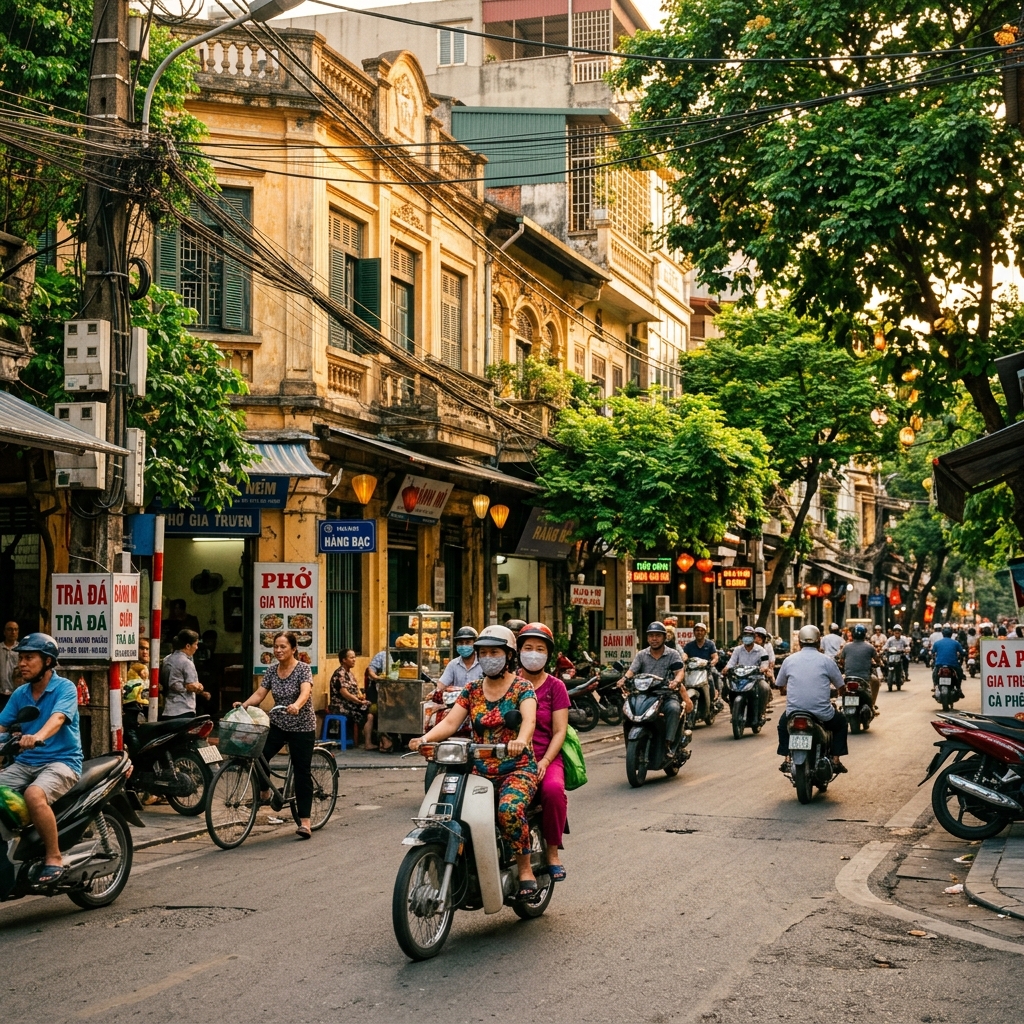
Da Nang's most famous banh mi stall. The local version is slightly different from HCMC, less sweet, more herbs. Banh Mi Ba Lan near Hai Phong Street is the one you hear about constantly.
Con Market has a full seafood cooking section where you buy fresh from the stalls and they cook it right there. The freshest, cheapest seafood in the city. Go with a local or Vietnamese-speaking friend the first time.
Egg coffee, thick egg yolk cream over strong drip coffee. A Hanoi original but now found throughout Vietnam. Da Nang's own coffee culture mixes this with a genuine local cafe scene far better than the tourist strip suggests.
The Central Vietnam Noodle Breakdown
Understanding how noodles work in central Vietnam gives you a real advantage when ordering and navigating menus. Four noodle types appear everywhere: flat rice noodles (phở), round rice noodles (bún), glass noodles (miến), and wheat noodles (mì). Central Vietnam runs on bún and the regional mì varieties, not the egg noodles of the north or the sweeter soups of the south.
The single most important dish-specific note for Da Nang and Hoi An: Cao Lầu is a Hoi An dish that genuinely cannot be made anywhere else. The noodles are soaked in mineral water from a specific 1,000-year-old well in Hoi An, which gives them a texture that cannot be duplicated. If you eat it in Hanoi or HCMC, you are eating a different dish. Go to Hoi An and eat the real thing.
Da Nang is now included in the Michelin Guide alongside Hanoi and HCMC, a massive legitimacy signal for the city's food scene. Nén Danang became Vietnam's first restaurant to earn the Michelin Green Star (sustainability designation). The guide lists 5 must-try eateries in Da Nang specifically. For your most special meal in the city, check the current Michelin Guide Da Nang selection, it changes annually and represents the best of what the city's chefs are doing.
Nightlife & The Bar Scene
The Dragon Bridge Fire Show, Start Here
Every Saturday and Sunday night at 9PM, the Dragon Bridge breathes fire and water over the Han River. It is free, it is spectacular, and it is the best thing to see in Da Nang on your first night. The bridge stretches 666 meters and the dragon's head faces the sea. Get there by 8:30 for position on either bank, the viewing area fills up. The entire show lasts about 15 minutes but the atmosphere before and after is worth the full evening.
An Thuong Bar Strip
The An Thuong area, one block from My Khe Beach, is Da Nang's main nightlife zone for expats and tourists. It is a much smaller, calmer version of Saigon's Bui Vien, genuinely manageable without the extreme chaos. Rooftop bars, beach bars, craft beer spots, and Western restaurants line the main streets. Prices are tourist-facing but reasonable by international standards. Most bars have happy hours from 4-7PM that bring drink prices down significantly.
- Rooftop bars overlooking the beach - Multiple options along the My Khe beachfront with sunset views. Worth one visit for the panorama. Cocktails $5-10.
- Craft beer bars in An Thuong - Da Nang has a small but growing craft beer scene with Vietnamese microbrews. Better than expected for a city this size.
- Local bia hoi spots - Walk two streets back from the tourist zone and you find plastic-stool bia tươi (fresh beer) corners at 20,000-25,000 VND/glass where Da Nang's locals actually drink. Night and day from the tourist strip.
Da Nang International Fireworks Festival (DIFF)
DIFF runs annually, typically April through June, over several weekends. Teams from around the world compete with large-scale fireworks displays over the Han River. Viewing positions line both sides of the river. It is genuinely one of the most impressive fireworks competitions in Asia and draws hundreds of thousands of visitors. If you are in Da Nang during DIFF, accommodation prices spike, book early if you are visiting specifically for it, or expect crowds if you live here during the season.
Da Nang closes earlier than HCMC. Most bars wind down by midnight, even on weekends. There is no real club scene comparable to The Observatory in HCMC or the Hanoi underground venues. If you need intense late-night options, Da Nang will disappoint. If you want a good evening, sunset drinks, dinner, a few more drinks, home by midnight, it delivers exactly that at a fraction of what you would spend in Saigon.
Things to Do & See
What Is Worth Your Time
- Marble Mountains (Ngũ Hành Sơn) - Five marble and limestone outcrops 15 minutes from the city center. Each topped with pagodas and hiding caves with ancient shrines inside. Go at 7-8am before tour groups arrive. The cave of Huyen Khong has a natural skylight that illuminates the altar at midday, genuinely stunning. 40,000 VND entry. Elevator available to the top (15,000 VND) if you do not want the stairs.
- Son Tra Peninsula - Hire a motorbike for half a day and drive the coastal road around the forested peninsula. The red-shanked douc langur, described by scientists as one of the most visually striking primates on Earth, lives here in the wild. Dawn and dusk are the best times to spot them in the treetops near the Ban Co Peak viewpoint. The drive itself, with the sea on one side and jungle on the other, is worth it even if you miss the monkeys.
- Museum of Cham Sculpture - The world's largest collection of Cham artifacts. The Cham people ruled central Vietnam for over a thousand years and the sculpture here is breathtaking. Almost nobody goes. You will likely have the galleries to yourself on a weekday morning. 60,000 VND entry, 2 Thang 9 Street.
- My Khe Beach at dawn - The beach at 6am is a different world from the tourist beach at 10am. Fishermen, local joggers, volleyball, people doing morning exercises in the surf. It is free, it is beautiful, and it tells you more about Da Nang's character than any tourist attraction does.
- Hai Van Pass - One of the world's great coastal mountain roads. The 21km pass connects Da Nang to Hue over a mountain range that falls directly into the sea. Best experienced on a rented motorbike in one direction with a shuttle back, going both ways by motorbike is a full half-day. The views from the old French fort at the summit are genuinely extraordinary on a clear day.
What to Skip
- Ba Na Hills / Golden Bridge - The giant stone hands holding a golden bridge is stunning in photos. In person it is a cable car theme park crowd scene at $40+ per person. Fun for families with kids or a one-time experience. Not worth repeat visits or a special trip if you are based in Da Nang.
- Most "city tours" - Da Nang is navigable independently. You do not need a guide to see the Dragon Bridge or the Marble Mountains. Save your money for the day trips that genuinely benefit from local knowledge.
- Han Market for shopping - Tourist prices throughout. Con Market is better for locals, lower prices, and actual variety. Han Market is worth walking through once for atmosphere.
Day Trips & Central Vietnam
UNESCO World Heritage ancient town. Best visited in late afternoon when the lanterns come on. Must-try: Cao Lầu (noodles made only here), Hoanh Thanh (wontons), white rose dumplings. Tailors make custom clothing in 24-48hrs. An Bang Beach is 10 minutes from the old town.
Vietnam's last imperial capital. The Citadel, three Emperor tombs (Tu Duc, Minh Mang, Khai Dinh), Thien Mu Pagoda on the Perfume River. Best done as an overnight rather than a day trip. Train crossing the Hai Van Pass from Da Nang to Hue is one of Asia's great rail journeys.
UNESCO Cultural Heritage Site, Cham Hindu temples from the 7th-13th century tucked in a jungle valley. Do not expect Angkor Wat. Expect something smaller, more intimate, reclaimed by forest. Go at 7-8am before tour groups arrive. 150,000 VND entry.
Doing Hoi An Right
Hoi An is 50 minutes from Da Nang and is one of the most visited places in Vietnam. Done wrong, it is a tourist scrum. Done right, it is one of the most beautiful and atmospheric towns in Asia. The timing is everything. Take a shuttle van from An Thuong around 3-4pm, walk the Ancient Town as the afternoon light goes golden, eat dinner as the lanterns come on, and leave by 9pm before it becomes overwhelming.
Get to An Bang Beach separately, 10 minutes from the Ancient Town on a rented bicycle. This beach is genuinely beautiful and far less busy than the tourist-facing stretches near the old town. Rent a bicycle in Hoi An for 30,000-50,000 VND and cycle the countryside roads through rice paddies to get there. One of the best cycling experiences in Vietnam.
The tailors in Hoi An are legitimate. Custom suits, dresses, and traditional ao dai at prices that are genuinely remarkable compared to anywhere else. Quality varies, research specific tailors in current expat forums before committing. Most reputable ones deliver in 48-72 hours and will ship internationally.
Hai Van Pass, Do It on a Motorbike
The Hai Van Pass is a 21km mountain road that connects Da Nang to Hue over a mountain range that drops directly into the sea. It was described on Top Gear as one of the world's greatest coastal roads. It is. The best way to do it: rent a motorbike in Da Nang for the day (150,000-200,000 VND), drive north over the pass, stop at the old French/American military fort at the summit (free entry, extraordinary views), continue down to Lang Co lagoon for lunch, and take a shuttle or train back to Da Nang in the afternoon. Do not do it both ways in one day on a scooter if you are not experienced, the descent is steep and the road surface is occasionally rough.
Hidden Gems & Local Tips
What Tourists Almost Never Find
- Nam Ô Fishing Village - 10km north of the city center, an ancient fishing village that has largely escaped tourist attention. Colorful fishing boats, fresh seafood straight from the source, a fish sauce production tradition going back centuries. The beach here is not swimmable but the village atmosphere on a weekday morning is the most authentic thing you will see in Da Nang.
- Non Nuoc Beach - The beach in front of the Marble Mountains, south of My Khe. Almost no foreigners use it despite being one of the longest and most beautiful beaches in the area. The water is just as clean as My Khe. The sand is wider. Bring your own food and towel, minimal infrastructure, which is the point.
- Con Market upper floor - The ground floor of Con Market (Da Nang's main wet market) is what tourists see. The upper floors are wholesale fabric, clothing, and household goods at Vietnamese prices with almost zero tourist presence. Walk up one floor and you are in a different world from the tourist ground level.
- The back roads of Son Tra Peninsula - Most visitors take the main road up Son Tra to the summit viewpoint. The smaller back roads through the jungle canopy, following the coastline in sections, are where the douc langurs are actually spotted most often. Slower pace, no buses, genuinely wild jungle corridor.
- Sunrise at My Khe with fishermen - Set an alarm for 5:30am once. The beach at dawn, with circular basket boats coming in from the night's fishing, the light going orange over the sea, and the first food carts opening, this is the Da Nang that most visitors sleep through.
Scams and Tourist Traps to Know
- Motorbike rental damage scam - Before taking any rental, photograph and video every scratch and dent and send it to the rental shop owner via Zalo or WhatsApp immediately. This is standard practice and legitimate owners expect it. If an owner refuses to acknowledge pre-existing damage, leave.
- Unofficial taxis at the airport and bus station - Only use Grab, Mai Linh, or Vinasun. Unofficial taxis at Da Nang airport charge 3-5x the legitimate rate. Walk past the touts to the official taxi rank or open Grab.
- Marble Mountains cart tours - Someone will offer you a motorbike or cart ride to the Marble Mountains for a "special price." The price will be agreed going one direction and renegotiated coming back. Agree on both directions upfront and confirm in VND, or take a Grab.
- Currency confusion - 200,000 VND and 20,000 VND notes look similar. Count change carefully especially in tourist-facing restaurants near the Marble Mountains and An Thuong strip.
Da Nang in 2026 sits at an interesting inflection point. It has been called Vietnam's most livable city for several consecutive years and the Vietnamese tourism board officially uses that framing. But it still has not reached the saturation point of HCMC or the tourist overload of Hoi An. You can walk the beach at 6am alone. You can find an apartment nobody has put on Airbnb. You can eat in a restaurant where you are the only foreigner and the owner is mildly surprised to see you but genuinely pleased. That window stays open for a few more years. Then it closes. If Da Nang is on your list, this is the right time.
Need a Personal Da Nang or Vietnam Consultation?
6 years of lived Vietnam experience. Real answers. No fluff. Book a 30-minute session with KT.
Book a consultation Free Relocation Guide