Find your housing fit
Input your budget and lifestyle choices to discover your ideal apartment type and district matches.
Recommended Fit: Modern Studio / 1-Bed Condo
At this budget in HCMC or Hanoi, you can secure a modern studio or 1-bed apartment in a serviced building. Excellent for expat convenience and proximity to social life.
Find your best-fit city faster
Choose what matters most and use it to compare cities before you start looking at housing.


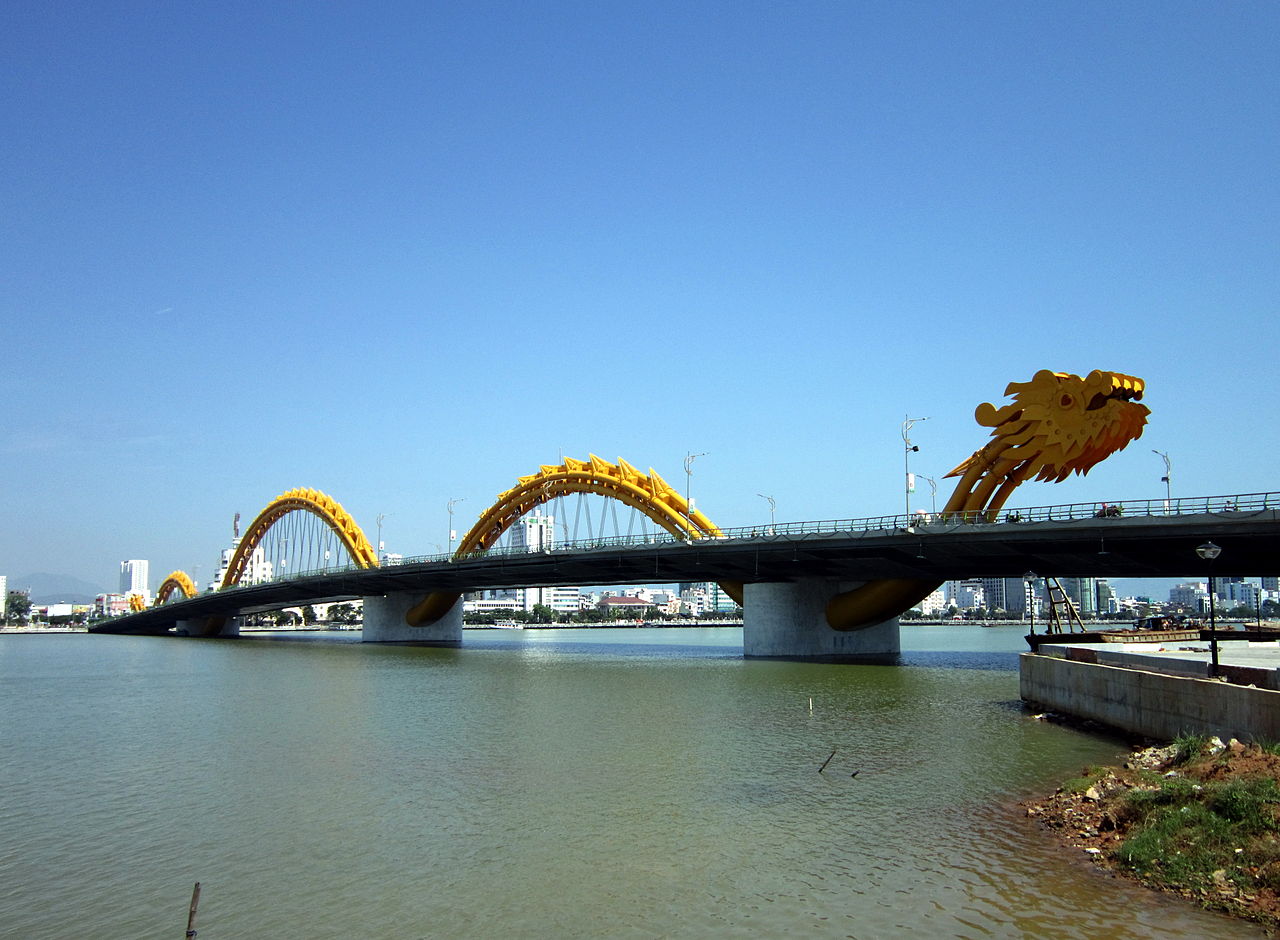
DA NANG
Coastal Hub

NHA TRANG
Resort Hub

DA LAT
Highland Retreat

HOI AN
Historic Heritage

HAI PHONG
Industrial Port
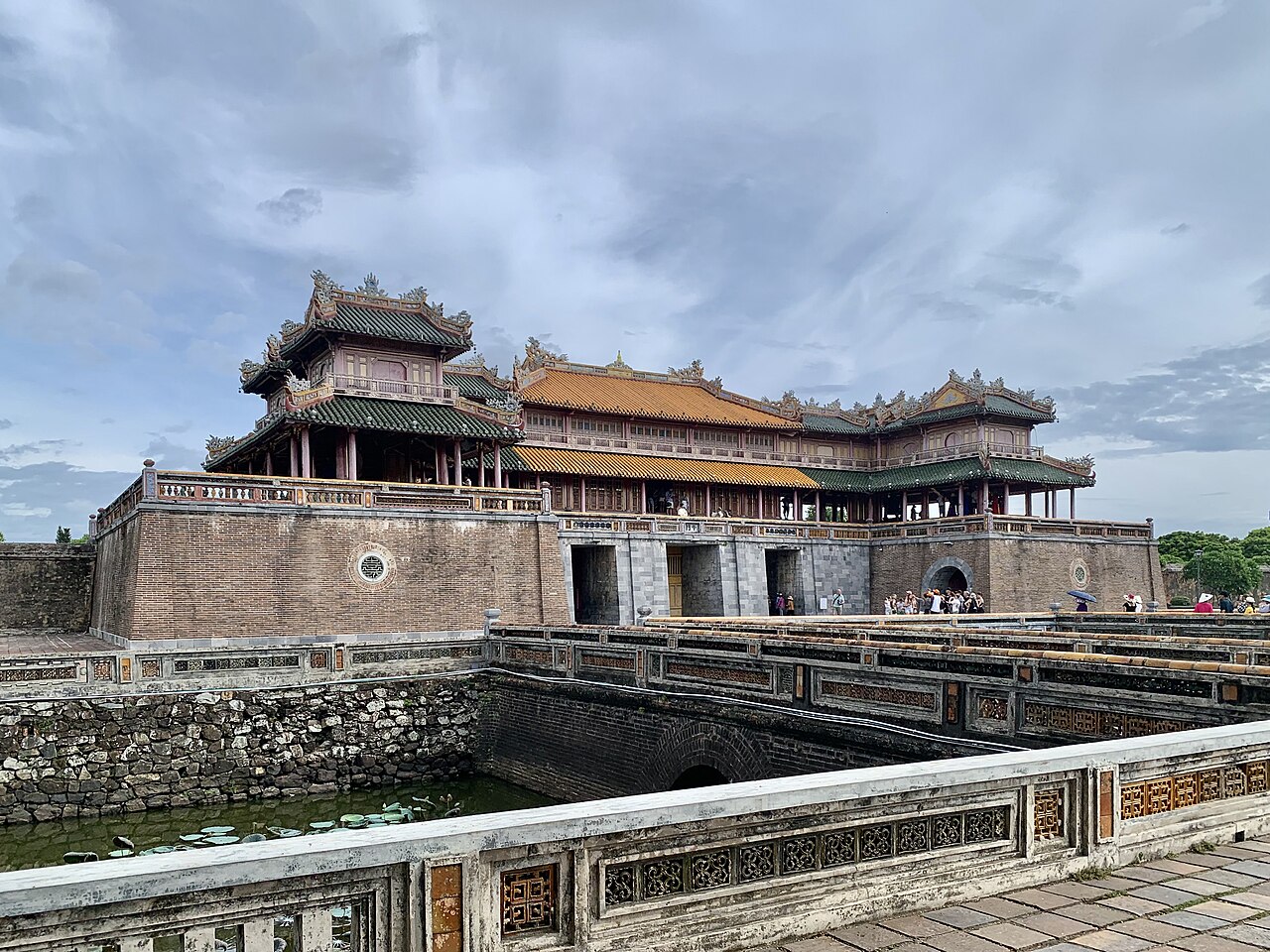
HUE
Ancient Imperial Capital

VUNG TAU
Coastal Escape
Choose your Vietnam city by tier
We use a simplified classification system focused on infrastructure, healthcare, housing supply, lifestyle convenience, and cost. Tier 1 cities are the largest and easiest for newcomers, while Tier 2 cities offer excellent value with localized tradeoffs.
Tier 1 cities
HCMC and Hanoi. Strongest infrastructure, major hospital networks, massive housing markets, and absolute expat convenience.
Tier 2 cities
Da Nang, Nha Trang, Da Lat, Hoi An, Vung Tau, Hai Phong, Hue. Strong regional hubs with beautiful lifestyles but smaller expat pockets.
Tier 3 & below
Smaller local towns. Lowest costs but major tradeoffs in specialized healthcare, English-speaking services, and housing standards.
How to Find Housing in Vietnam: The Practical Order
Rushing into a long-term lease before scouting the area is the single largest mistake newcomers make. Follow this practical path instead.
Choose the right city
Narrow down the tier that fits your cost limits, ideal weather, social expectations, and personal pace.
Narrow down the district
Examine traffic patterns, commute times to work or gym, and the local walking environment before looking at rooms.
Start short-term
Book a serviced flat or hotel for your first 2-3 weeks. Do not sign a long contract until you are physically in the city.
Inspect before committing
Visit properties in person. Turn on faucets, test wall thickness, check internet speeds, and inspect closets for hidden mold.
Watch for lease red flags
Ask exactly how electricity, water, internet, management fees, parking, and other charges are calculated before signing. Some rentals bill utilities differently from direct residential rates, so ask for the calculation method in writing.
Build your local setup
Get to know the building security, ask the landlord or accommodation provider how your temporary residence notification will be handled, and confirm that the required local process is completed.
A warning on local commuting convenience
A map might show your apartment is only 2 kilometers from your workplace, but one-way road configurations, heavy tropical rain, and intense city traffic can easily stretch that into a 30-minute chaotic drive. Always check the actual travel route during peak rush hours (8:00 AM and 5:30 PM) before signing.
Housing red flags to watch for
Spotting these early warning signs can save you thousands of dollars and months of housing frustration.
Verify unusually low rent
A price that is much lower than comparable units is a reason to verify the property, listing, agent, and payment terms carefully before sending money.
Pressure to sign quickly
Agents claiming another renter is about to pay a deposit right now are using high-pressure tactics to force your hand.
No clear deposit terms
Deposit amounts vary by property, landlord, market, and lease term. One or more months of rent is common in many rentals, but the amount and refund conditions should be written clearly into the agreement.
Poor water pressure
Weak flow in the shower or lack of stable hot water can make a beautifully decorated apartment highly frustrating to live in.
Flood-prone area
Some streets experience heavy standing water during normal seasonal downpours, which blocks bikes and traps you indoors.
Noise at night
Failing to check for nearby outdoor karaoke bars, busy transport lanes, or active construction sites before signing.
Weak internet
Shared building connections that experience massive drop-offs in bandwidth during peak evening hours.
Confusing building rules
Hidden curfews, restrictiveness with overnight guests, and unexpected monthly management fees.
fact_check Apartment Inspection Checklist
- Inside Unit: Check water pressure, hot water stability, air conditioning cooling, appliances, windows, noise, and signs of mold/moisture.
- Building: Check elevator speed, security/access hours, parking fee/rules, package delivery, management fee, and flooding history.
- Location: Map commute distance, walkability, grocery stores, Grab/taxi accessibility, and local street noise.
gavel Do Not Send Money Yet: Safety Checklist
Before sending any deposit or rent, verify these items to protect your funds:
- • Confirm the actual unit in person whenever possible to ensure it matches the listing.
- • Understand who is receiving the payment and verify their relationship to the owner.
- • Obtain the written lease terms and review them carefully before signing.
- • Confirm the exact deposit amount and the written refund conditions.
- • Keep formal digital records of all transaction payments and receipts.
Before using an agent, ask:
- • What properties do you represent?
- • Do you charge the tenant any fee?
- • Who receives the deposit and signs the lease?
- • Who handles maintenance and repairs?
- • What happens if the unit differs from the listing?
Want help finding a local housing professional?
I can help connect clients with trusted housing and real estate professionals in supported cities (including Ho Chi Minh City, Hanoi, and Da Nang) when there is a good fit. Independent providers handle their own professional services, pricing, contracts, and advice; final decisions and due diligence remain your responsibility.
Before you sign anything, test your first 14 days
Use these focused resources to understand housing red flags, audit your neighborhood, and secure your apartment.
Free Vietnam Relocation Guide
Start with the basics before making decisions about cities, housing, visas, budget, and your first steps in Vietnam.

Vietnam Move Starter Pack 2026
Plan your first 90 days, first 14 days, first 72 hours, city fit, visa runway, housing red flags, and daily setup before you arrive.
Short-term stays vs long-term rentals
Understand the practical differences to organize your transition smoothly.
| Parameter | Short-term stay (1-4 weeks - planning category) | Long-term rental (6-12+ months - planning category) |
|---|---|---|
| Best for | First 2-4 weeks, scouting neighborhoods on foot, temporary comfort | 6-12+ months, settled expat living, localized cost savings |
| Risk level | Very low, making it easy to leave if the neighborhood is loud or floods | Medium-high: locked in by a security deposit (common practice) |
| Flexibility | High: simple to extend weekly or monthly with short notice | Low: breaking the lease early usually forfeits the entire deposit |
| Upfront cost | Low, since you pay as you go through standard booking platforms, no deposit | Medium: varies, often 1-2 months deposit plus first month of rent |
| What to check | WiFi stability, review ratings, noise level, location security | Water pressure, exact lease clauses, utility rates, management rules |
| KT recommendation | Book 2-3 weeks in a serviced apartment first before signing anything. | Only sign a lease after a physical inspection and checking building rules. |
How we support your housing hunt
Get direct, grounded advice during your housing hunt so you can bypass unreliable agents and locate a safe, reliable home.
Apartment search help
Clear guidance on exactly which local groups, listing sites, and trusted agencies yield legitimate, active options.
Neighborhood fit
Aligning your lifestyle budget and daily commute requirements with the specific districts that match your true needs.
Listing review
Evaluating photos and advertised asking rents to spot unrealistic bait-and-switch listings before you go to see them.
Rental risk check
Highlighting known poor-quality complexes, noisy construction zones, or buildings with systemic management issues.
Lease & landlord guidance
Ensuring you understand the deposit structure, exit clauses, and standard legal protections required in a Vietnamese lease.
Move-in questions
Providing you with the exact list of questions you must ask the landlord to lock down clear utility and maintenance details.
Need help comparing real rent values?
RentCheckVN is our dedicated tool to help you compare landlord asking prices honestly, spot heavily inflated listings, and avoid overpaying before you submit a deposit.
Still choosing your city?
Before you compare apartments, make sure you understand the city and neighborhood first.
Not sure which city fits your lifestyle, budget, and first 30 days?
Let us talk through your lifestyle, work requirements, and local commute constraints together.
Ready to skip the trial and error?
Let us figure it out together. Get clear, actionable advice for your specific situation.
Book a consultation
Kevin “KT” Thornton
Founder of The Story of KT
Based in Ho Chi Minh City with almost seven years of first-hand experience living in Vietnam.
KT shares practical housing experiences. Landlord negotiations and contract approvals remain the user's responsibility.