HCMC vs Da Nang vs Hanoi for Expats
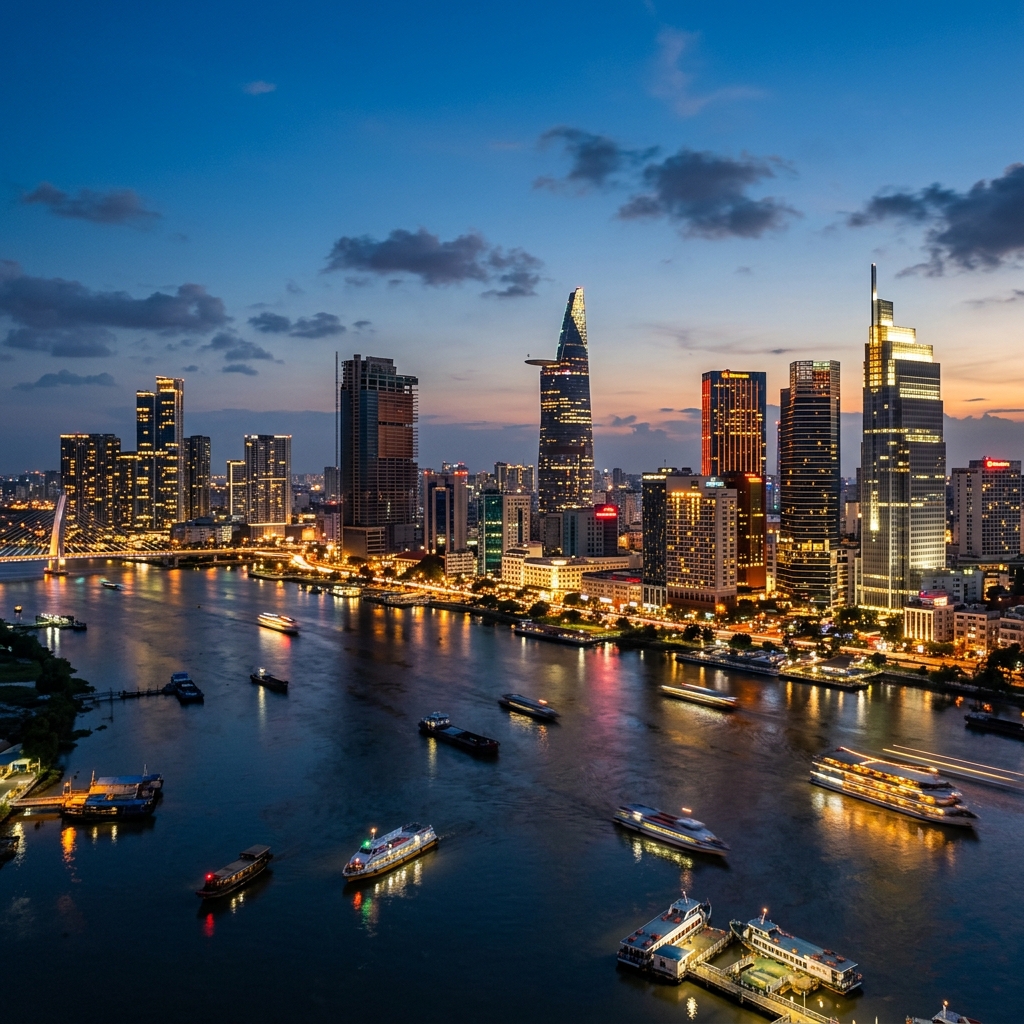
If you choose the wrong city in Vietnam, your entire experience can feel off-balance. That is the hard truth most expats only learn after they finally arrive and unpack their bags. A lot of people talk about Vietnam as if it is a single monolithic experience, but it isn't. Ho Chi Minh City, Da Nang, and Hanoi feel wildly different from each other. The pace, the energy, the underlying stress levels, and the daily lifestyle upsides vary drastically.
If you are trying to decide where to plant your flag in Vietnam, you need to step away from generic travel advice and look at the practical, daily reality of each major hub.
Ho Chi Minh City: Speed, Opportunity, and Energy
HCMC is the undisputed city for people who crave movement. It is bigger, louder, significantly faster, more hyper-commercial, and heavily opportunity-driven compared to the other two. It usually makes the most profound sense for people entirely focused on business energy, building massive social circles, leveraging vast networking options, and waking up in a city that genuinely feels alive around the clock.
The upside to living in Saigon is incredibly obvious, it is the economic engine of the country. The downside is equally obvious. The relentless traffic, noise, and sheer speed of HCMC can quickly wear you down if you chose the city for the wrong reasons.
Da Nang: Balance and Breathing Room
Da Nang works exceptionally well for individuals who want a distinctly high quality of life without enduring constant chaos. It is widely considered the easiest city of the three for most expats to smoothly settle into.
The appeal is straightforward: Da Nang provides immediate beach access, significantly less daily friction, incredibly easy movement, and outstanding overall value. It boasts more than enough expat infrastructure to be highly comfortable, but avoids the full sensory overload of the mega-cities. While it might not be the right fit for a hyper-ambitious entrepreneur needing constant networking, it is almost always the very first city I point people toward when they ask for a balanced, low-stress lifestyle.
Hanoi: Culture, Depth, and Tradition
Hanoi possesses an entirely different personality. It feels significantly older, more deliberately layered, deeply traditional, and in many ways, much more serious. The expats who deeply love Hanoi usually love it because of its profound cultural depth, its fiercely strong northern identity, the highly atmospheric street feel, and a social rhythm that feels markedly distinct from the booming south.
However, expats who struggle in Hanoi often do so because the city can feel socially colder at first. It is not as immediately open or highly commercialized as HCMC, and it requires a distinctly higher level of patience to navigate. Hanoi richly rewards the right exact personality, but it punishes those who just wanted a cheap tropical party town.
Housing and Cost Variances
Housing is one of the most critical day-to-day factors differentiating the cities. HCMC gives you the most spectacular variety of apartments, but also features the most heavily inflated expat pockets. Da Nang provides the easiest access to high-value, modern apartments with genuine breathing room and natural light. Hanoi can be incredibly rewarding aesthetically, but choosing the proper neighborhood is absolutely critical to avoid feeling isolated or cramped.
It is entirely possible to hate your time in Vietnam when, in reality, you simply chose the wrong housing setup in the wrong city. This specific misjudgment happens far more often than people realize.
Social Rhythms and the Environment
The social baseline drastically shifts depending on your zip code. HCMC tends to feel highly open, deeply fast-paced, and wildly active socially. Da Nang feels decidedly smaller, calmer, and heavily biased toward a remote-work or beach-centric lifestyle. Hanoi can feel deeply traditional and somewhat slower to break into socially.
Furthermore, you cannot ignore the environment. Ask yourself serious questions about the heat, the distinct rainy seasons, the air quality, and the sheer volume of daily noise you are willing to tolerate. A city dynamic that sounds incredible on paper can easily feel fundamentally wrong to your nervous system in daily practice.