How to Find Housing in Vietnam Without Getting Burned
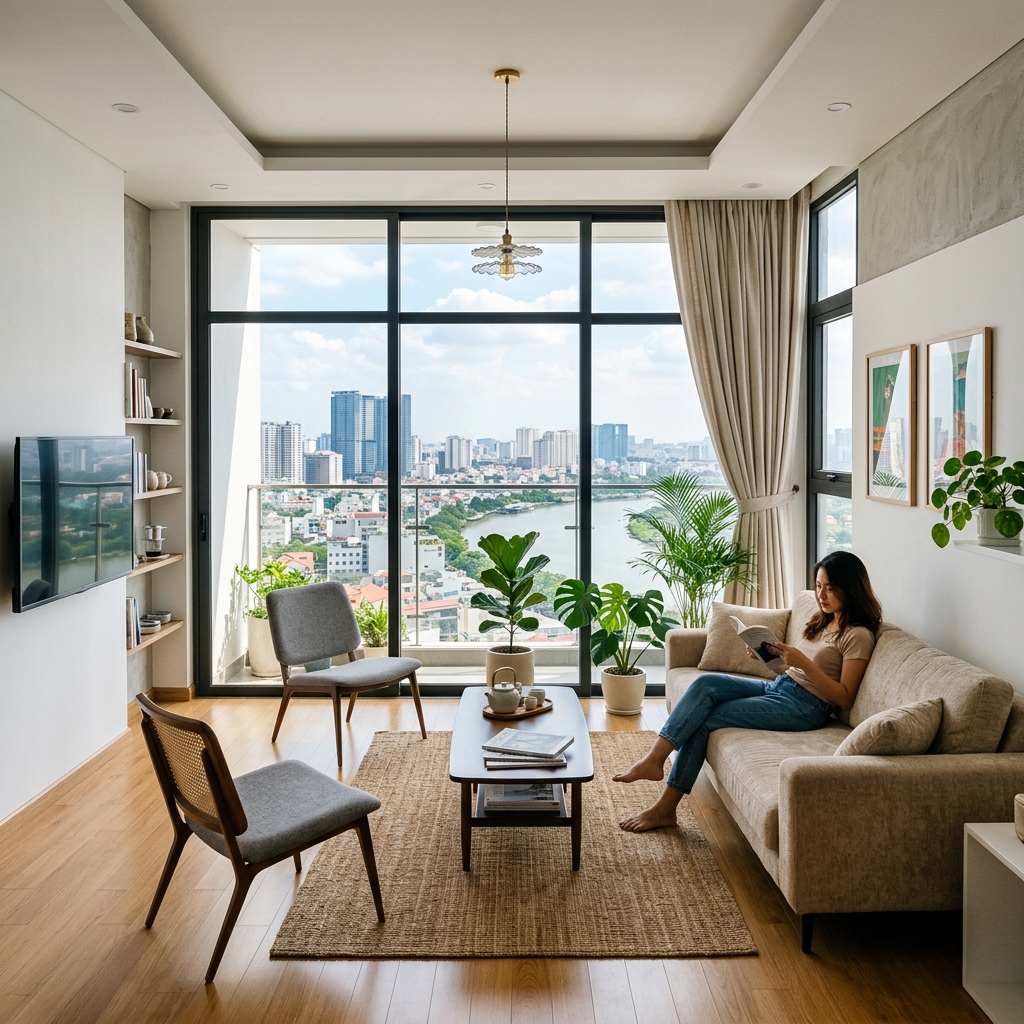
Housing is where a substantial number of expats make their very first critical mistake in Vietnam. They rush the process. They inherently trust wide-angle photos. They wire money far too quickly. And worst of all, they firmly pick the apartment before they genuinely understand the surrounding area.
Then, they spend the entirety of their next month slowly realizing the core problem was never just the physical unit itself. It was the building management, the chronic noise, the absentee landlord, the flooding street, the chaotic utility setup, or the simple fact that the listing was never strictly honest to begin with. If you want to avoid getting completely burned on housing in Vietnam, there is a much smarter, more highly structured way to do it.
Never Trust the Photos Alone
This is the unequivocal first rule of renting in Southeast Asia. Photos lie constantly and cleanly. An apartment can look beautifully bright, spotless, modern, and notably spacious online, and yet remain deafeningly noisy, poorly maintained, persistently damp, and heavily overpriced in real life.
Listing photos are specifically engineered to show the single best possible angle of a property. They completely fail to convey what your actual Tuesday morning will feel like when the heavy construction starts next door.
The Neighborhood Validates the Apartment
A truly decent apartment located in the completely wrong area will make you comprehensively miserable. Conversely, a much simpler apartment situated in the perfect neighborhood can make your daily life effortless fast.
When expats search for housing, they consistently focus far too heavily on the style of the furniture, the countertop finishes, and the aesthetic of the balcony. They routinely ignore the critical reality of the surrounding noise, their daily commute, the street activity, the seasonal flooding patterns, and whether the immediate area genuinely matches their intended lifestyle. The neighborhood is never just the background, it is fundamentally half of your apartment decision.
Buy Yourself Time Before Committing
One of the smartest distinct moves a new arrival can make is refusing to sign a long lease too fast. For the vast majority of people, the optimal strategy is to book a flexible, short-term stay first. Use those first two weeks to learn the city, physically test different neighborhoods, and inspect the properties in person before you ever sign your name to a year-long contract.
People inevitably get burned when they operate with too much confidence too early in the process. You will inherently know drastically more about a city after 14 days on the ground than you could ever learn during three months of online research.
Ask the Questions People Forget to Ask
Before you commit your deposit, you must ask the direct, unromantic questions. You need to know the exact real monthly rent, the explicit utility structures, and whether the electricity is billed at the legal government rate or an inflated landlord rate. You must understand exactly what the deposit terms are and precisely what monetary penalties occur if you need to break the lease early.
Check for hidden problems while doing a walk-through. Pay keen attention to the water pressure, the actual strength of the air conditioning, the drainage efficiency in the bathroom, and the general upkeep of the building's elevator and common areas. If the agent's answers are persistently vague, treat that as a massive, blinking warning sign.
The True Cost of Cheap Rent
Many expats attempt to "win" the housing game by securing the absolute cheapest numeric rent possible, without calculating the full daily cost. A suspiciously cheap apartment can ultimately cost you significantly more in daily stress, extended transport times, constant minor repairs, ruined sleep schedules from poor soundproofing, and the inevitable financial hit of having to break the lease and move twice.
Winning on paper means very little if the apartment actively generates intense frustration every single week. Focus entirely on securing housing that offers maximum stability rather than maximum discount.