What Nobody Tells You About Moving to Vietnam
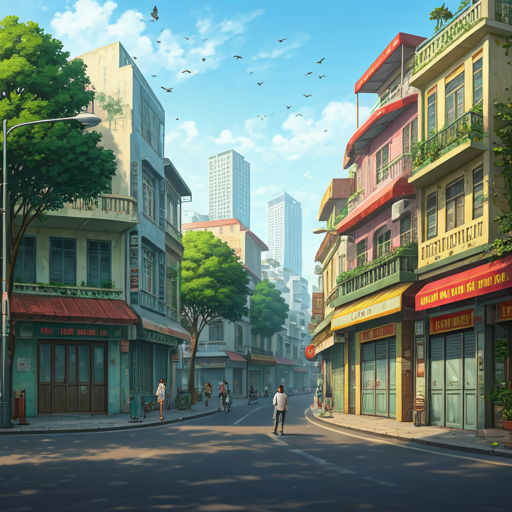
A lot of people think moving to Vietnam is just about finding a cheap apartment, getting a visa, and enjoying the food.
That is not the hard part.
The hard part is everything that happens after the excitement wears off.
Vietnam can be an amazing place to live. For a lot of people, it works. But the people who do well here usually adapt fast, stay flexible, and stop expecting Vietnam to work like home.
If you are thinking about moving to Vietnam, here is what people usually do not tell you.
Vietnam is easy in some ways and hard in the ways that matter
Vietnam is easy to enjoy as a visitor.
Living here is different.
You can eat well for cheap. You can find an apartment fast. You can get around the city. You can build a lifestyle here that feels a lot more affordable than the US, UK, Canada, or Australia.
But the real friction shows up in daily life.
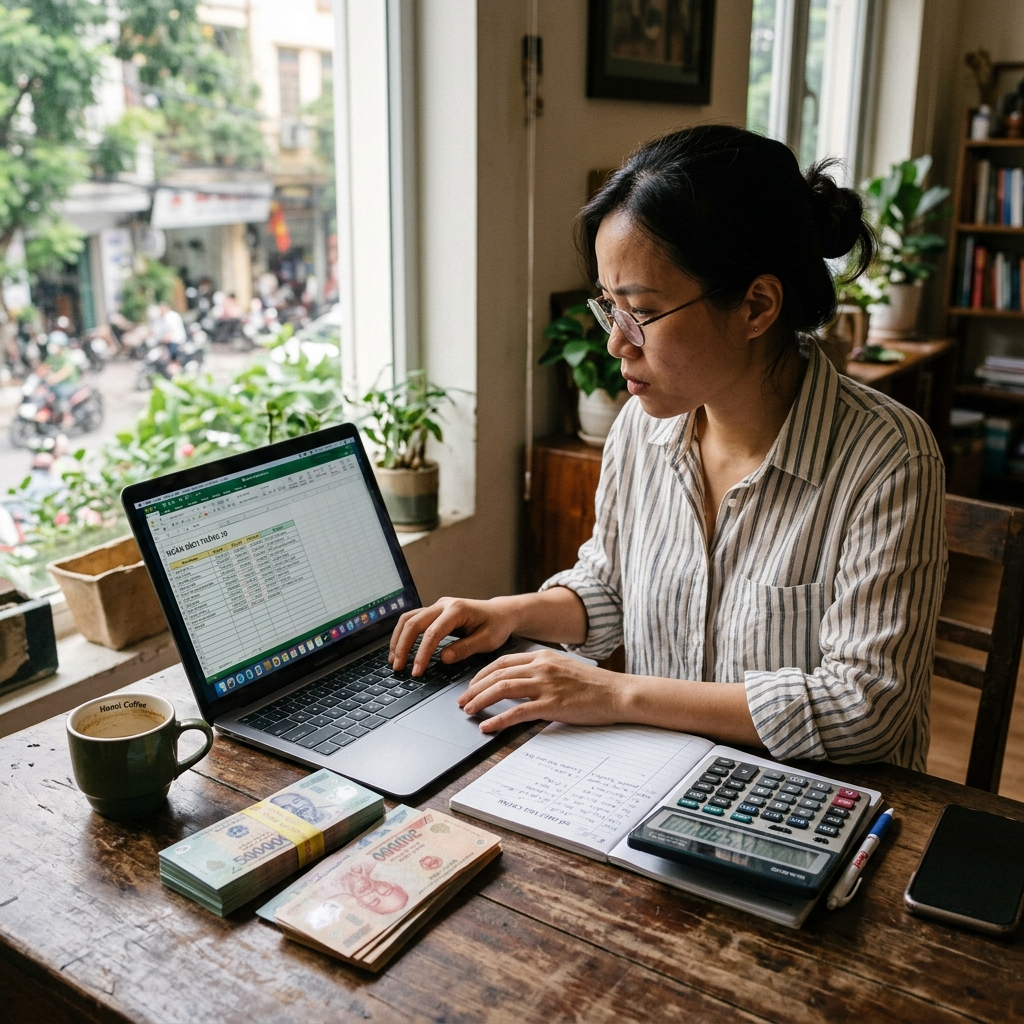
It shows up when the apartment photos looked better online than in person. It shows up when paperwork moves slower than you expected. It shows up when you realize that simple things like banking, contracts, deliveries, repairs, or medical appointments take more patience than back home.
That is where people either settle in or start getting worn down.
The paperwork is not the hardest part
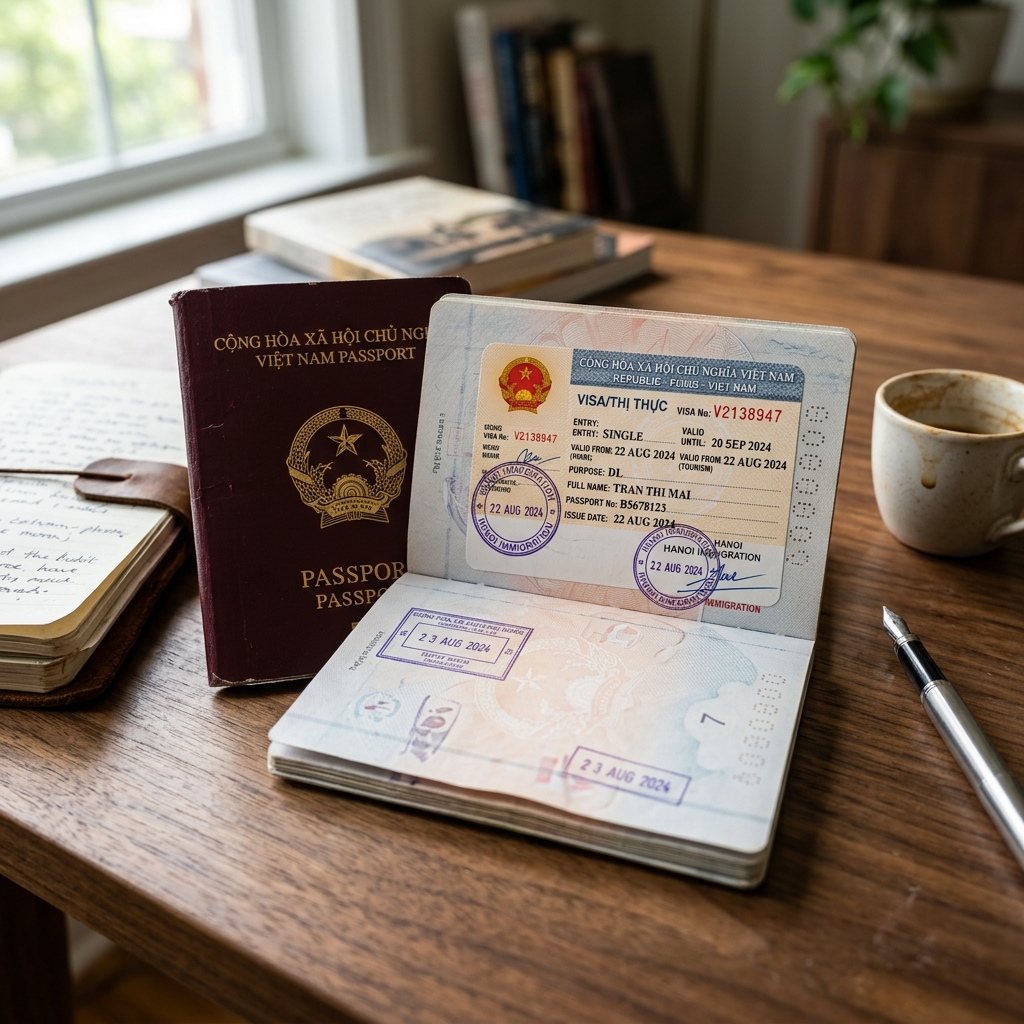
A lot of people obsess over visas before they come.
Yes, visas matter. Yes, you need to understand what your options are. But most people overestimate how hard the paperwork is and underestimate how much daily friction affects them.
The harder adjustment is usually:
- not speaking the language well
- not knowing how things are done locally
- not having a support system
- not knowing which people to trust
- not knowing which small problems can turn into expensive mistakes
The paperwork is one issue.
Daily life is the bigger one.
Housing quality is more uneven than people expect
This is a big one.
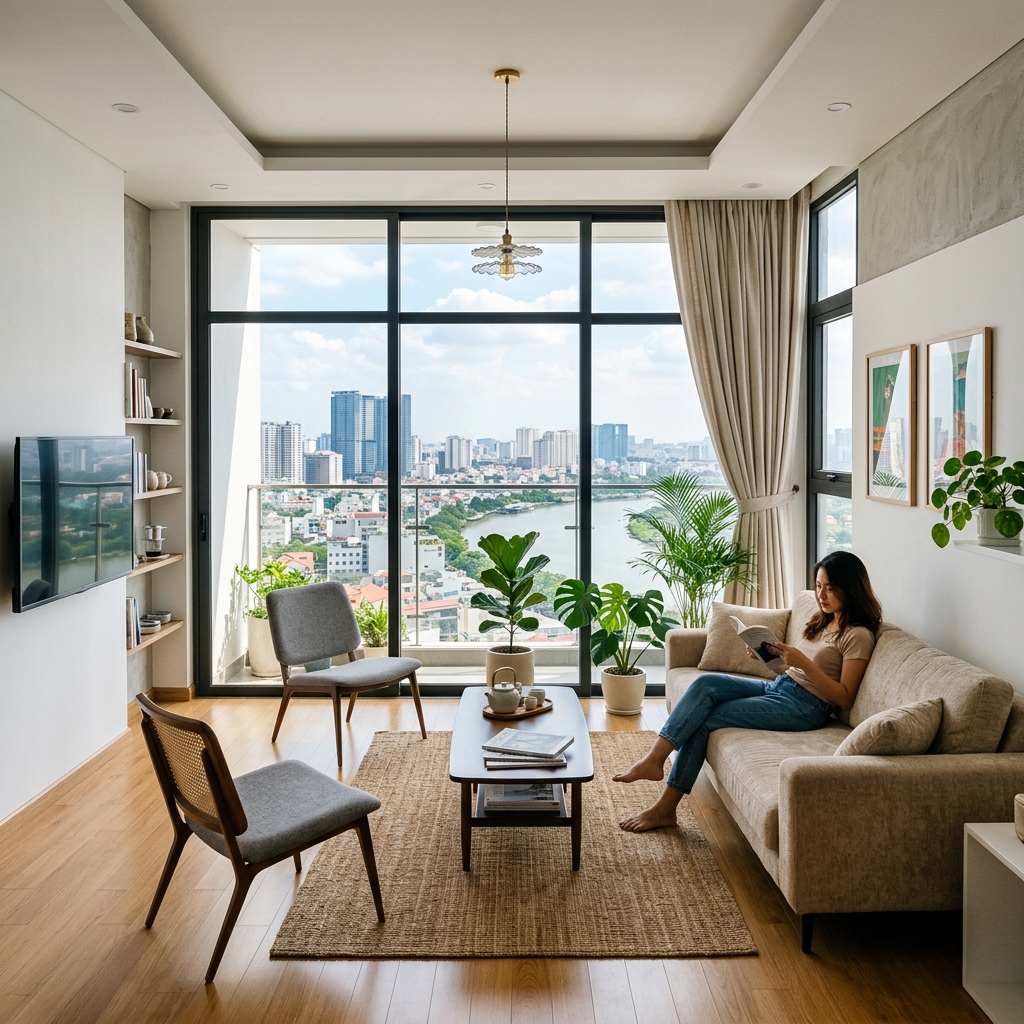
A lot of apartments in Vietnam look good in photos and feel very different in real life.
You can have:
- a decent-looking building with bad soundproofing
- mold issues
- weak water pressure
- poor maintenance
- overpriced rent for the area
- furniture that looks modern but wears out fast
- a good apartment in a bad location
- a cheap apartment that becomes expensive because of stress
People think they are renting a unit.
What they are really buying is daily peace or daily friction.
That is why your neighborhood matters almost as much as the apartment itself.
The first 30 days matter more than people think
The people who do well in Vietnam usually give themselves time.
They do not rush into a long lease. They do not assume the first district they stay in is the right one. They do not think one good day means the city is right for them.
The smartest move is usually:
- arrive
- stay somewhere flexible
- learn the area
- test neighborhoods
- figure out your habits
- then decide where and how you want to live
That first month tells you a lot.
If you rush it, you usually pay for it later.
Noise, traffic, and air quality wear people down
People see the lifestyle upside and forget the environmental side.
Depending on the city and area, you may deal with:
- constant scooter noise
- construction
- weak sidewalks
- heavy traffic
- hotter weather than expected
- poor air quality at certain times of year
- flooding in some areas
- power or water issues in lower-quality buildings
Vietnam is not hard because every day is a disaster.
It is hard because small things repeat.
That repetition either becomes normal, or it starts draining you.
Plan your move without the guesswork
Get the free relocation guide for a clear breakdown of housing, visas, costs, and daily life, or book a consult for direct help with your exact Vietnam plan.
Language barriers affect the small things every day
A lot of people think, “I can get by with English.”
Sometimes you can. Sometimes you cannot.
In the big picture, you can survive without Vietnamese.
In the small daily details, not speaking Vietnamese creates friction all the time.
It affects:
- deliveries
- maintenance
- landlord conversations
- contracts
- doctor visits
- customer service
- directions
- food ordering outside expat-heavy areas
- dealing with officials
- understanding what people actually mean
You do not need fluency.
But you do need humility, patience, and some effort.
Even a little Vietnamese goes a long way here.
Your support system matters more than your budget
A lot of people focus on money first.
Money matters. But I have seen people with enough money struggle because they had no support system, no useful local contacts, and no real plan.
Then I have seen people with modest budgets do well because they built:
- local relationships
- expat friendships
- routines
- reliable contacts
- realistic expectations
Vietnam gets easier when you know who to ask.
That is one of the biggest differences between people who stay and people who leave.
Vietnam works best for flexible people
Vietnam usually works best for people who:
- adapt fast
- do not need everything to be perfect
- can laugh things off
- can handle uncertainty
- are willing to learn how the country actually works
- do not expect Vietnam to become a copy of home
People struggle more when they:
- need constant predictability
- get angry fast
- expect Western systems everywhere
- romanticize the country too much
- make big commitments before understanding daily life
The first 90 days shape everything
The first 90 days are where most people either:
- settle in
- or start quietly realizing they made the wrong move
That does not mean you need to have everything figured out right away.
It means you need a smart landing plan.
If you come in with:
- flexible housing
- realistic expectations
- a working budget
- decent local support
- the right city for your personality
you give yourself a real chance.
If you come in emotional, impulsive, or half-prepared, Vietnam can expose that fast.
Quick takeaway
If you are thinking about moving to Vietnam, remember this:
- The hard part is not arriving, it is adjusting
- Housing quality is more uneven than people expect
- Daily friction matters more than visa anxiety
- Your first 30 to 90 days shape the whole experience
- The people who do best here stay flexible and move smart